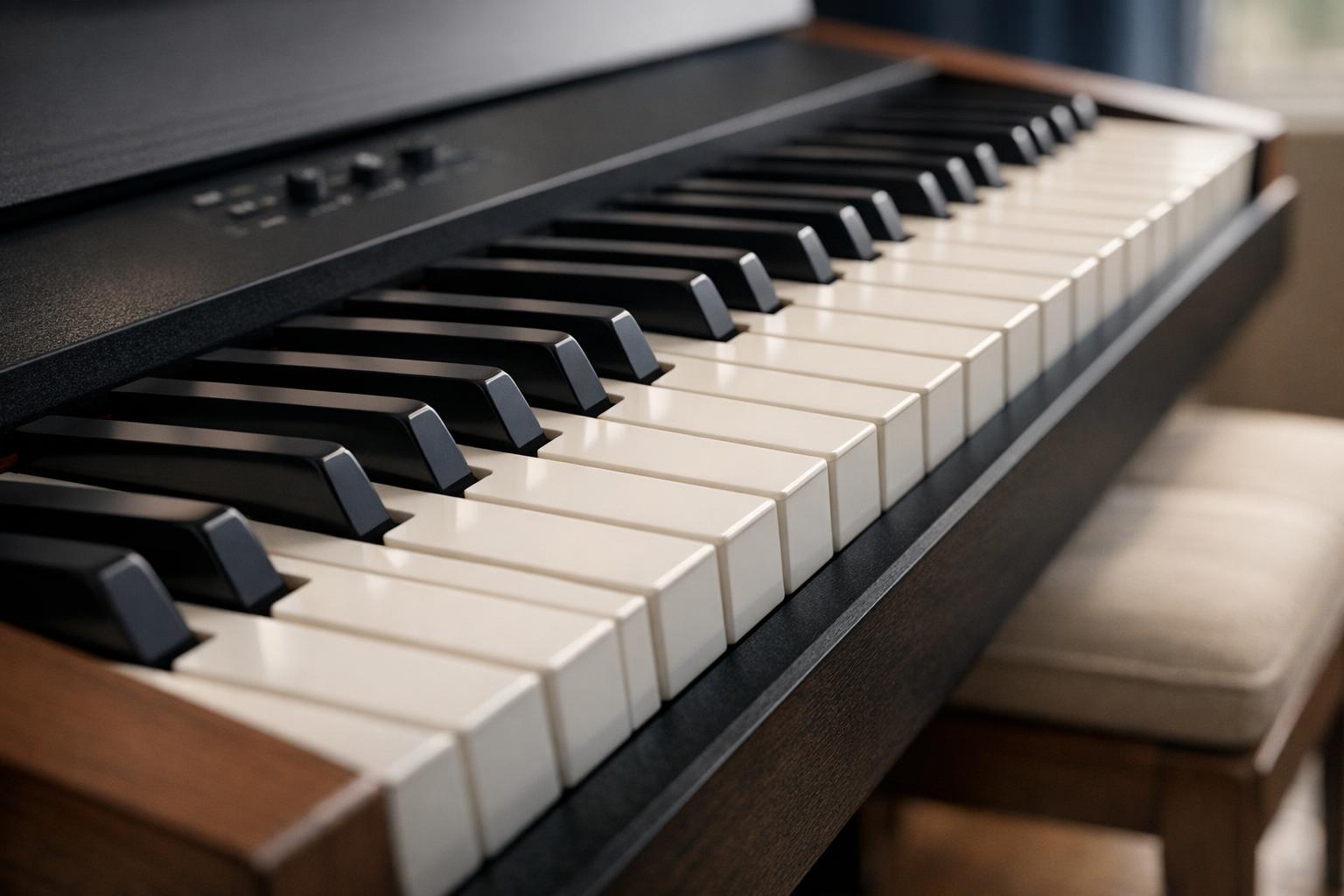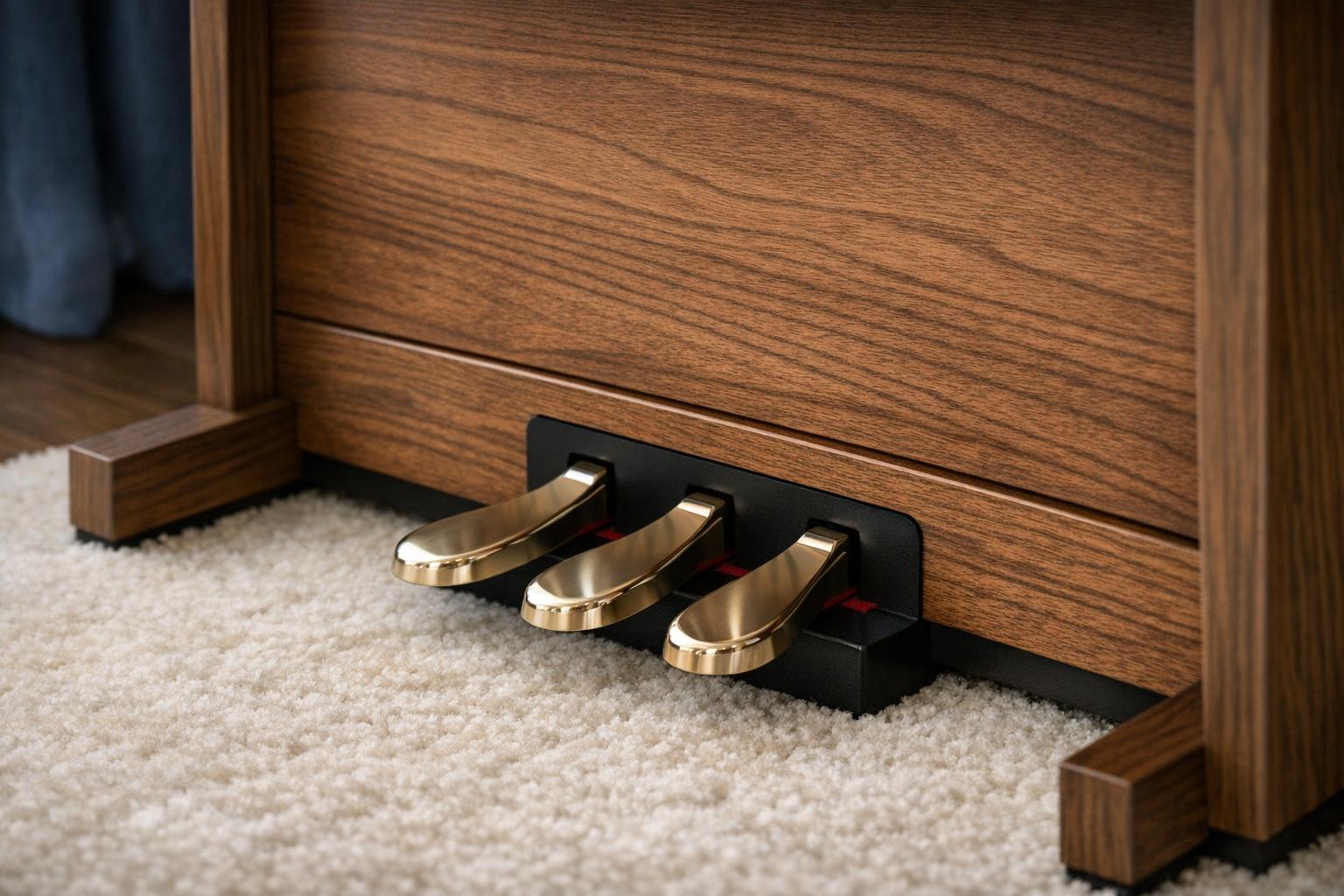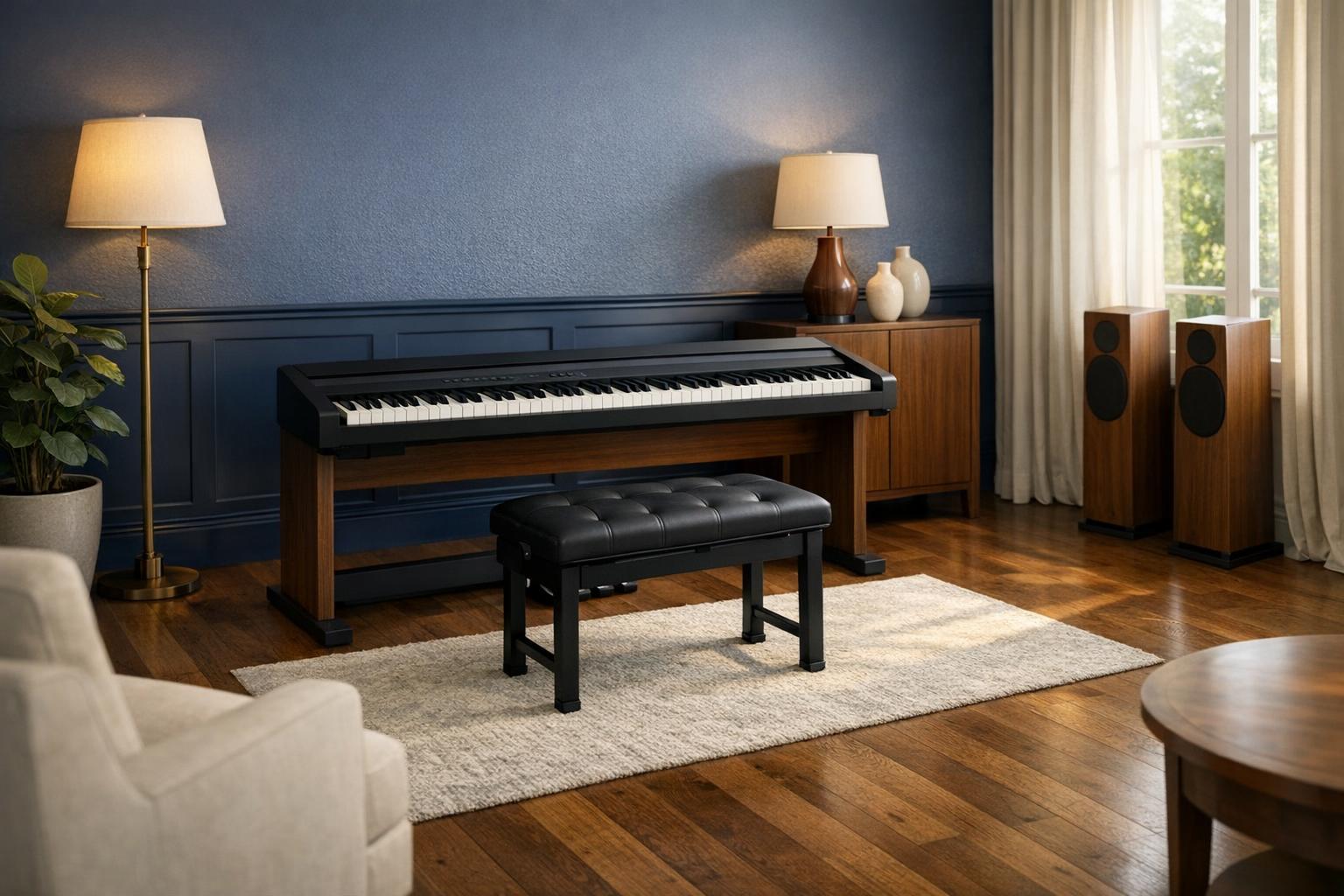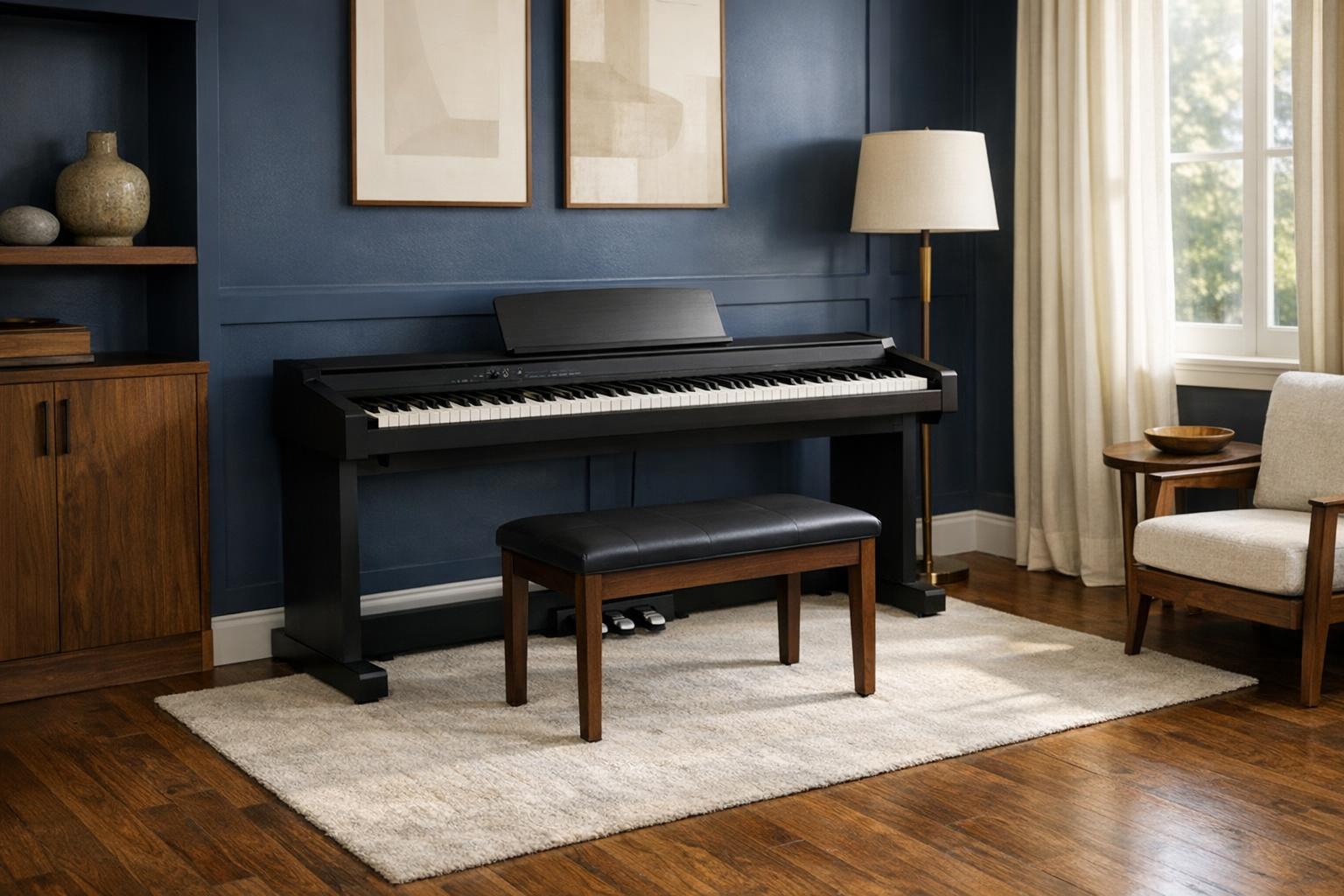
A digital piano purchase is several decisions bundled into one box: the keyboard mechanism, the sound system, the furniture around it and the connections you expect to use. Start with the arrangement you actually need rather than the longest feature list. A full-size keyboard does not establish weighted action, and a photograph of a bench does not establish that the bench is included. This guide separates those checks so that you can compare complete instruments without confusing accessories, alternative configurations or promotional descriptions with verified equipment.
Start with a complete instrument
Read the main product noun before studying any numbers. A keyboard stand described as fitting 88-key digital pianos is still a stand. A USB MIDI controller can have 88 keys but may need a computer or another sound source. An instrument listing should identify the digital piano itself, not only a compatible accessory. Keep the exact ASIN alongside the model name when recording your choices. This helps distinguish different seller bundles and prevents a specification from one configuration being carried onto another.
For an instrument bundle, write down each included item separately: keyboard, power adapter, sustain switch, furniture stand, pedal unit, bench and headphones. Treat an unspecified item as a question, not as a free extra. The Yamaha P71 listing in our source ledger explicitly names a sustain pedal and power supply; that wording should not be copied to a different Yamaha model without checking its own record. Compare the final equipment arrangement you would receive, not the appearance of a staged room photograph.
For the next part of this decision, read Weighted and Semi-Weighted Piano Keys Explained. Keep the equipment requirement separate from personal preference, and verify the exact selected model before treating related information as evidence for your own configuration.
Separate keyboard action from sound choices
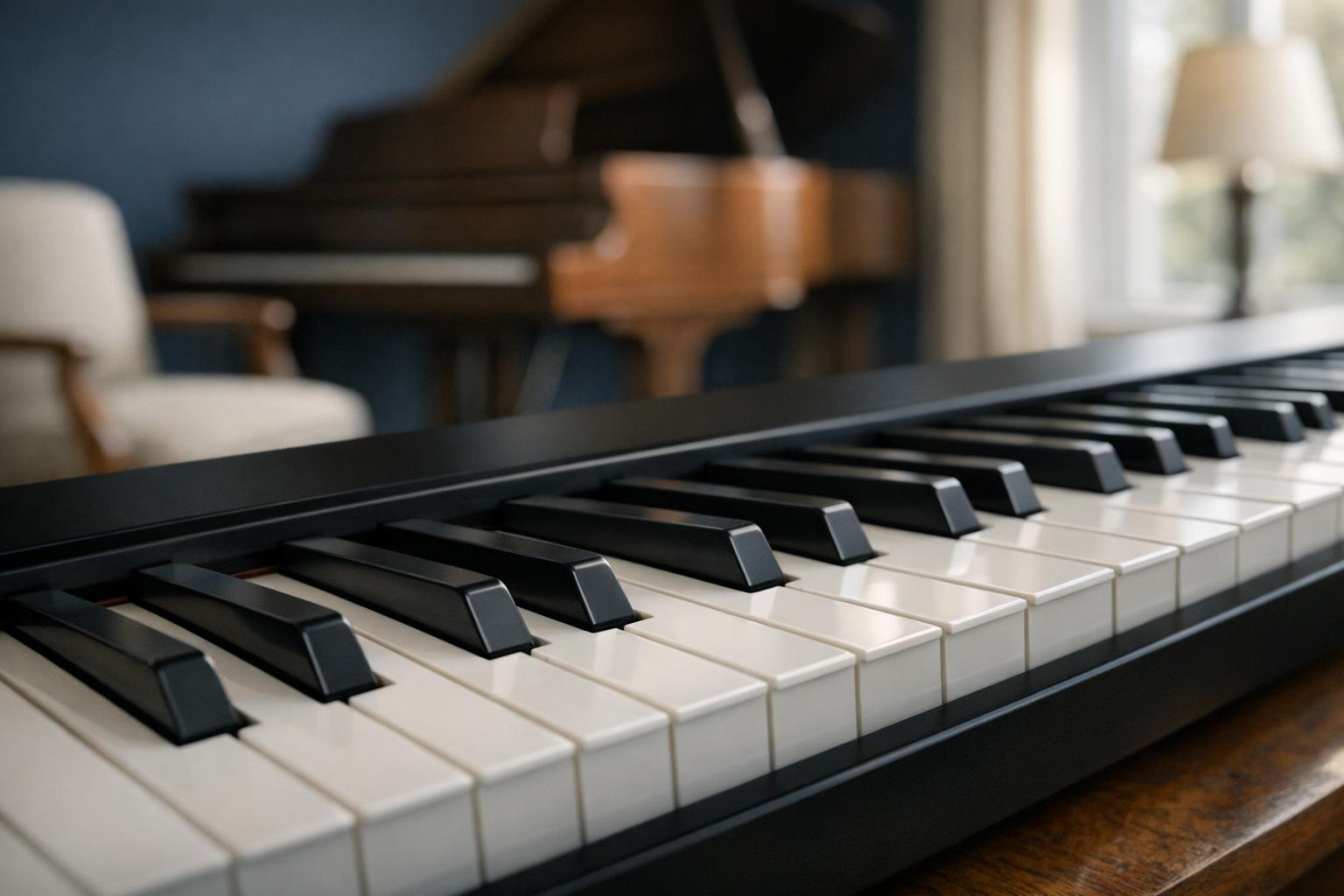
The key count describes the available keyboard range. Action terms describe the mechanism and resistance, but they do not establish that two instruments feel identical. Weighted, hammer-action and semi-weighted are not interchangeable labels. Our weighted shortlist requires explicit weighted or hammer-action wording; semi-weighted instruments remain a separate proposition. If touch is decisive, an in-person comparison can answer questions that a seller paragraph and our documentation score cannot.
Sound features deserve a second pass. Check the named piano sounds, available effects and whether the instrument has built-in speakers. More tones do not automatically mean a better piano sound, and speaker wattage is not a listening test. Consider which features you will actually operate without an external device. A model with a simple control panel may have functions accessed through key combinations or an app, so read its manual rather than assuming that everything is visible on the panel. We make no claim that a particular action or sound library accelerates learning.
For the next part of this decision, read Digital Piano Pedals: Compatibility Before Features. Keep the equipment requirement separate from personal preference, and verify the exact selected model before treating related information as evidence for your own configuration.
Budget for the usable arrangement
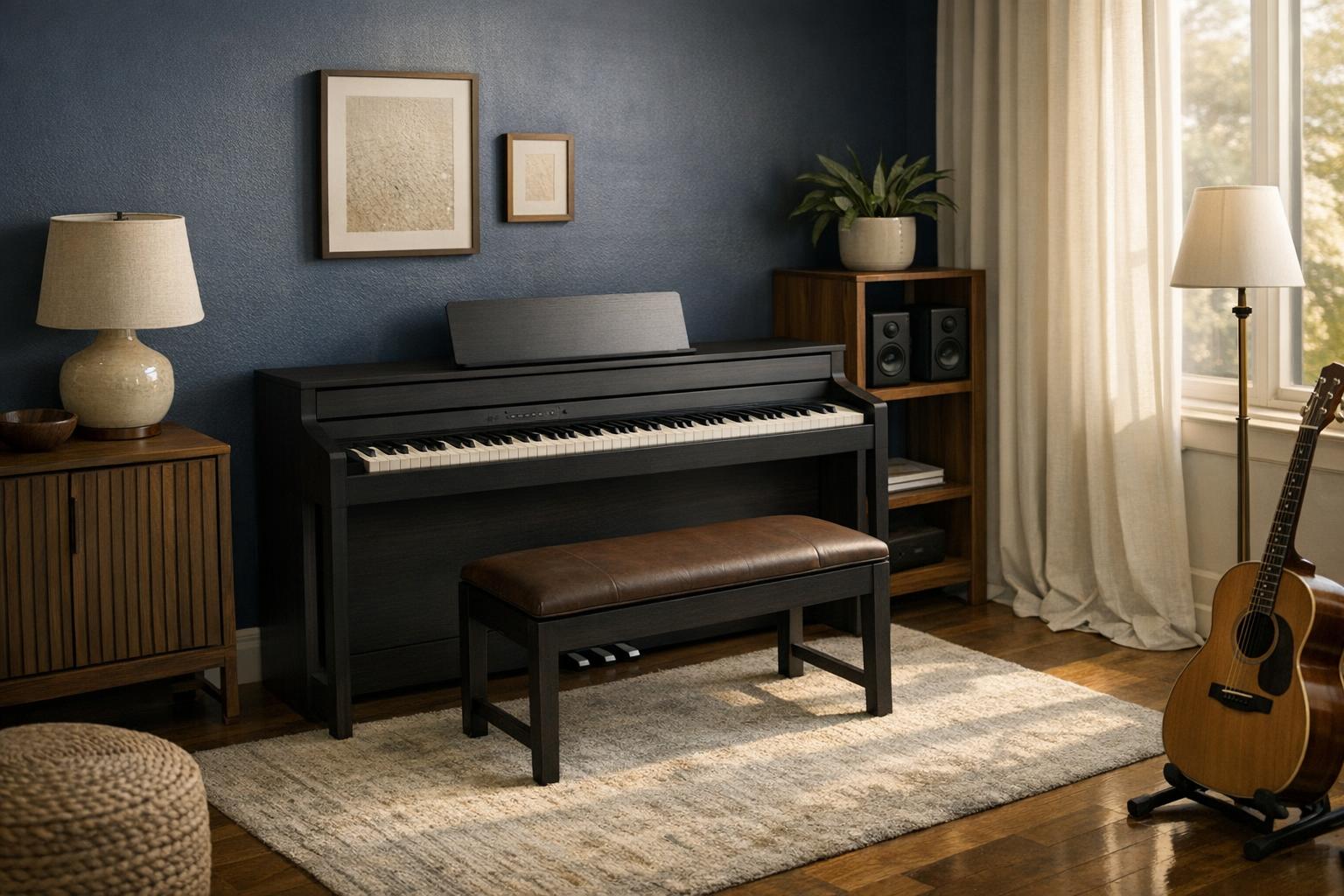
A portable-format piano needs a stable support even if it is moved only occasionally. Verify the stand's compatible dimensions and load rating, and check that the pedal can sit where you need it without slipping or cable strain. A console package may include a furniture frame and a pedal assembly, but it can also require more assembly and a larger permanent footprint. Neither format is automatically cheaper once the missing accessories and delivery arrangements are included.
Headphones, a bench and a suitable cable can be small decisions individually but significant omissions together. Do not assume a USB socket carries audio, a Bluetooth label supports wireless headphones, or a generic sustain pedal supports continuous half-pedaling. Record the precise function you require and match it to the exact manual. If a listing leaves the function unclear, ask the manufacturer with the complete model suffix. Avoid choosing an instrument because an accessory looks compatible in a photograph.
For the next part of this decision, read Planning Room Space and a Bench for a Digital Piano. Keep the equipment requirement separate from personal preference, and verify the exact selected model before treating related information as evidence for your own configuration.
Compare evidence before choosing a winner
Use a shortlist to organize the next questions, not to replace them. Our editorial rating blends the captured Amazon average and review count with documented attributes. It is not the Amazon star rating, a listening panel result or a durability test. Review counts can be pooled by Amazon across variations, and their age matters. A large review record can improve the evidence available for a product while still failing to answer a specific question about your preferred bundle.
Before ordering, revisit the selected Amazon configuration and confirm the seller, current offer, return conditions, included equipment and delivery format. Measure both the destination and the route into the room. Save the manufacturer manual for the exact model rather than a nearby series. If two instruments remain close, identify the unresolved difference that matters to you: action, speaker use, carrying weight, pedal control or cabinet fit. A documented answer to that question is more useful than treating a small difference in our rounded score as a universal recommendation.