
Ruth Calloway, Specs & sound editor
I'm the one who reads the back panel. Literally: the diagram of the jacks in the manual, then the spec table, then the small print under it. "Bluetooth" on a listing can mean audio streaming, MIDI to an app, or both, and the difference matters the day you try to connect a tablet.
Polyphony is another favourite of mine. A bigger number looks better on the box, and up to a point it is better, but how much you'd notice depends on how you play and which sounds you layer. I'd rather explain what the figure covers than rank a piano on it alone. Same with pedals: a small footswitch, a proper sustain pedal and a three-pedal unit are different things, and not every piano takes every pedal.
I write the guides on pedals, connections and piano sounds, and now and then I edit one of Allison's.
My aim is that you can read a spec sheet on your own afterwards: what 256-note polyphony buys you, which jack takes a pedal, and which numbers are just marketing.
Areas of expertise
- Polyphony and sound specs, read properly
- Pedals: sustain, half-pedal, three-pedal units
- USB-MIDI, USB audio and Bluetooth
- Jacks, outputs and what plugs into what
How I work
- I read the manual's connection diagram and spec table, not just the listing bullets.
- When a figure like polyphony or speaker output shows up, I check that the exact model's documents state it.
- I note which pedals and headphones a piano accepts, and which ones owners say did not work with it.
- Vague wording stays vague in the guide: I write "not stated" rather than guess.
Articles by Ruth Calloway
Written
 Piano buying guides
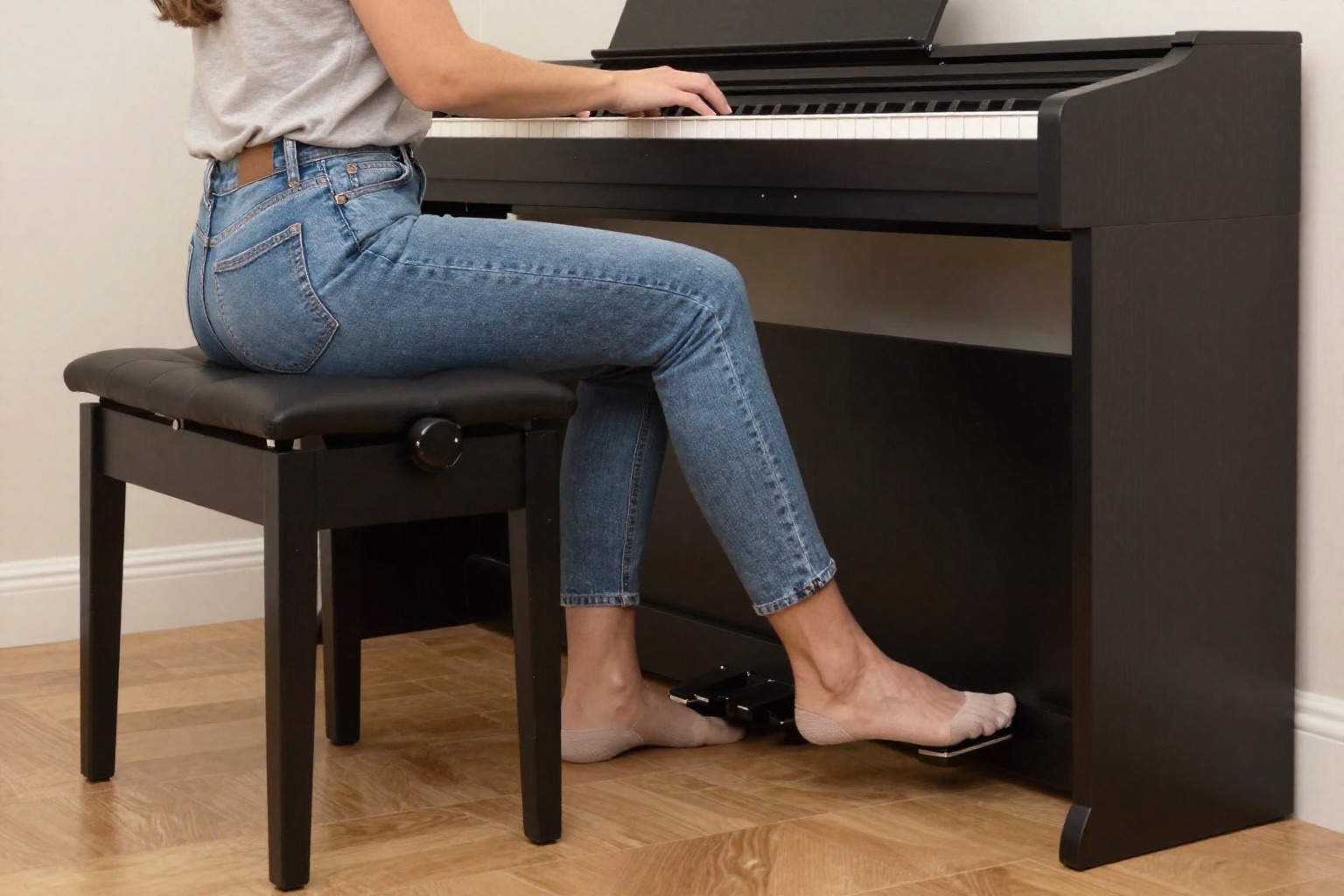
Digital Piano Pedals: Compatibility Before Features
Sustain, soft and sostenuto pedals explained: footswitch or 3-pedal unit, half-pedalling and the jacks on the back, so your pedal really works.
Read the guide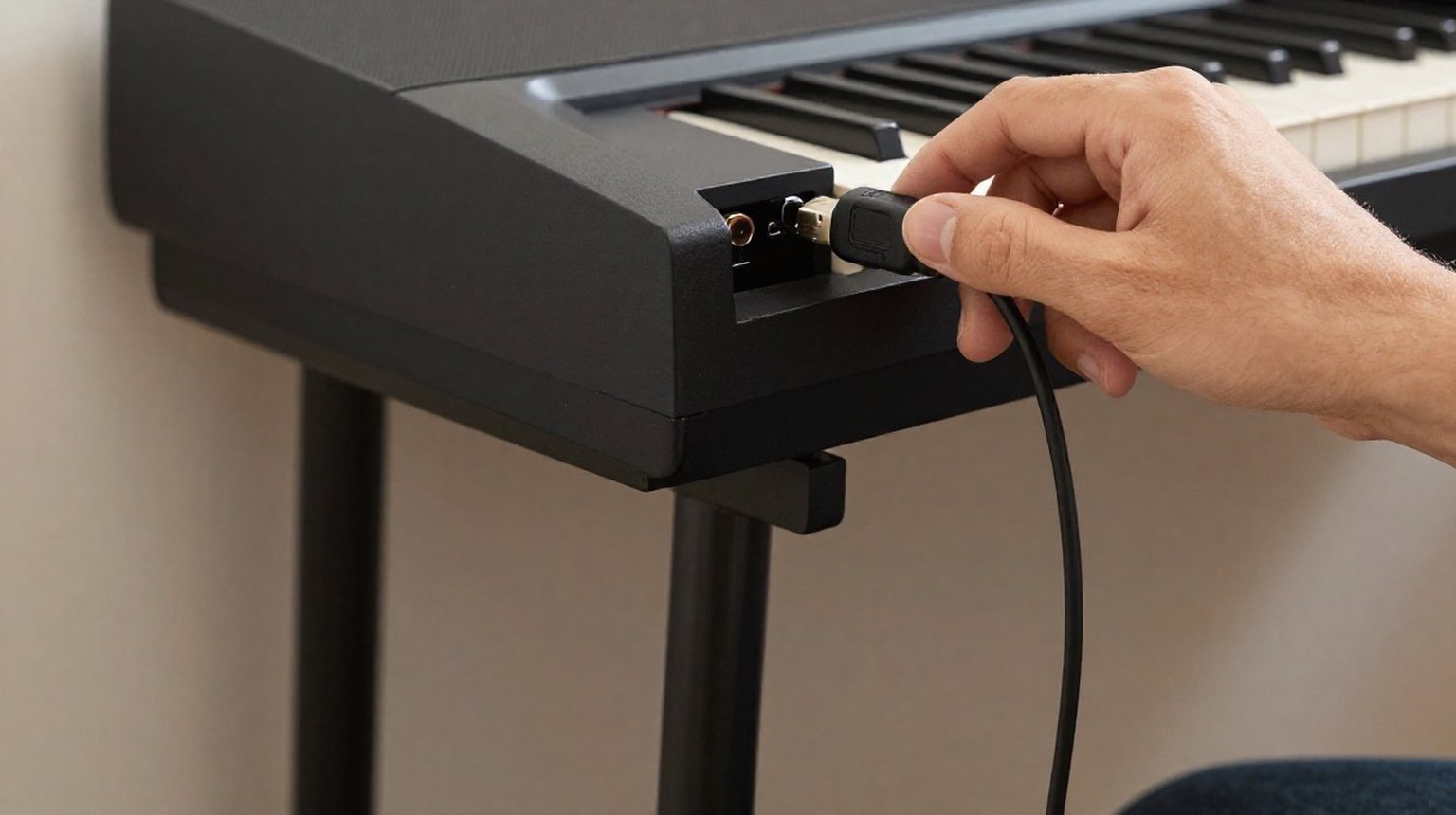 Piano buying guides
USB, MIDI and Audio Connections on Digital Pianos
USB-MIDI, USB audio, Bluetooth and line outputs on a digital piano: what each connection does and what to check before you plan your setup.
Read the guide Piano buying guides
Polyphony and Piano Sounds: Reading Specifications
What 128- or 256-note polyphony really means, how tone counts differ, and how to read the sound and speaker specs of a digital piano calmly.
Read the guideEdited
 Piano buying guides
Choosing an 88-Key Digital Piano
How to choose an 88-key digital piano: key action, sound, pedals, furniture and connections, checked in order before you shortlist one.
Read the guide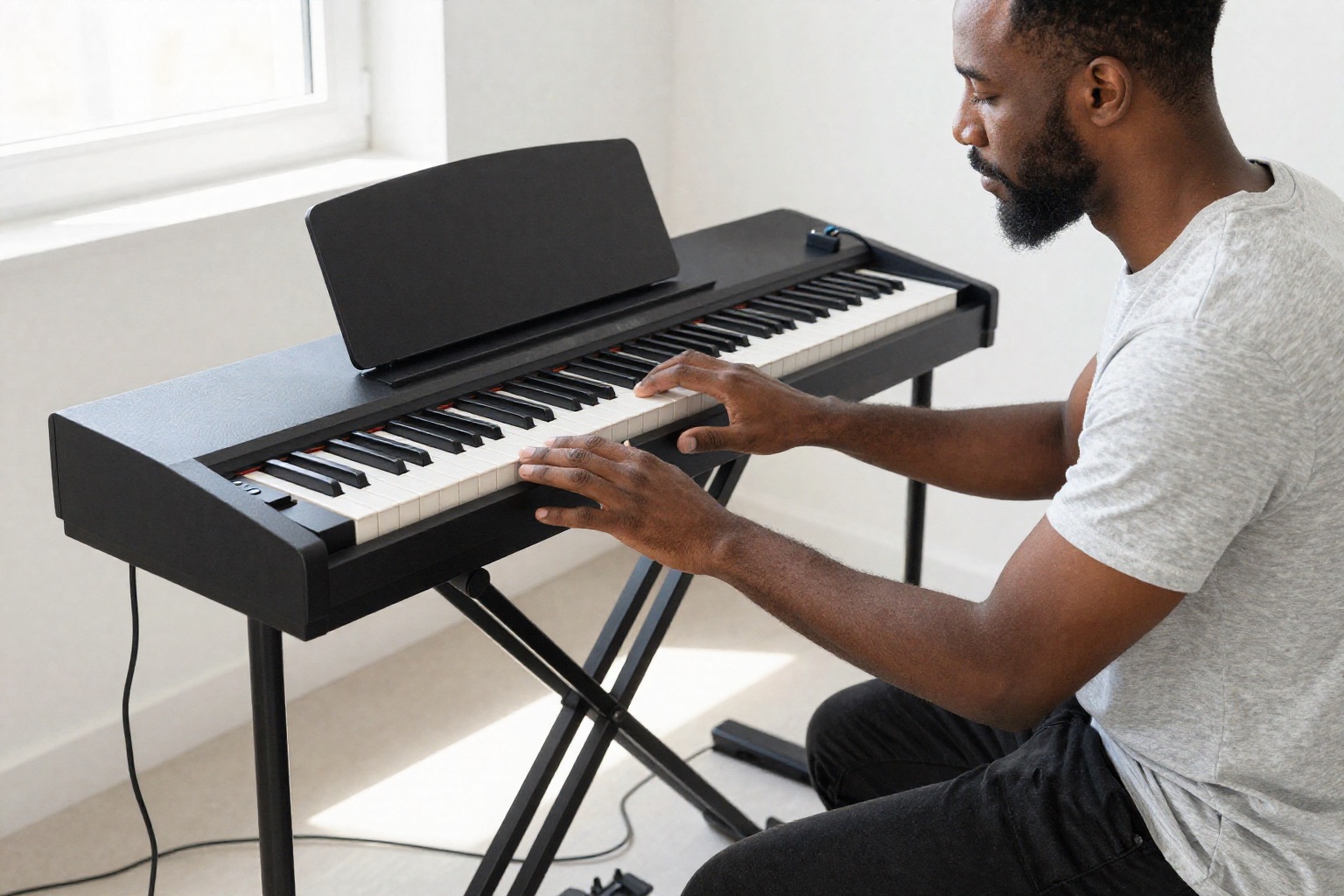 Piano buying guides
Yamaha P45 vs P71 (and P145): Which One Should You Buy?
Yamaha P45 or P71? Same 88 weighted keys and 10 voices, different box contents and ratings, and when the newer P145BT is worth the extra money.
Read the guideHow we compare and rate the pianos is explained on How we rate. The rest of the team: Our editors.